


Sull'autore

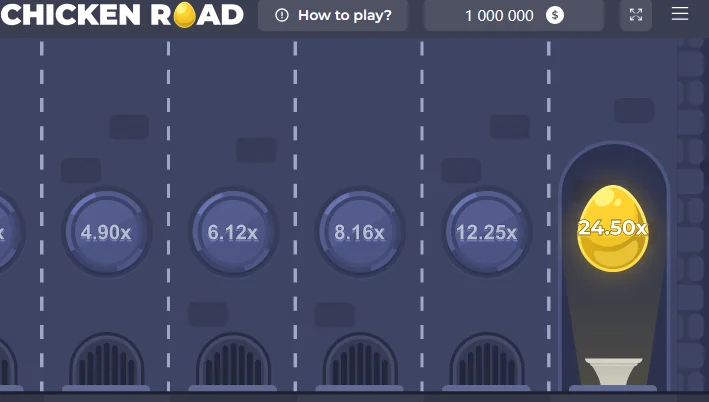
In studying the symbol frequency in Chicken Road 2, particularly within the UK market, one can identify clear patterns that considerably influence gameplay. High-frequency symbols, like gold coins, form a predictable setting, while low-frequency symbols introduce unpredictability. This equilibrium affects player decision-making and strategy development. As the game progresses, comprehending these factors could reveal greater perspectives into player engagement and the evolving environment of mobile gaming. What tendencies might emerge from these findings?
Overview of Chicken Road 2
Chicken Road 2 charms players with its fascinating blend of strategy and randomness. The game offers a unique challenge, requiring players to steer through a animated world while making tactical decisions. As players progress, they meet various obstacles and opportunities that necessitate swift thinking and adaptability. The mechanics emphasize a considered approach; strategic planning can produce significant rewards, but unpredictability can shift the interplay unexpectedly.
Players must balance resource management against risk, creating strategies that enhance their potential for success. With each level, the complexity escalates, encouraging players to improve their skills consistently. This fusion of strategy and chance not only holds engagement high but also promotes exploration of various tactics, aligning closely with players’ wishes for mastery in gameplay.
Importance of Symbol Frequency in Gaming
While many factors contribute to the overall involvement in gaming, the frequency of symbols substantially impacts gameplay mechanics and player engagements. High-frequency symbols create patterns that improve predictability, allowing players to tactically prepare effectively and build mastery over game interactions. Conversely, low-frequency symbols often introduce elements of chance, increasing uncertainty and engagement. This duality shapes player behavior; frequent symbols encourage recurring actions, while rare symbols can elicit thrill or frustration. Additionally, the distribution of symbols influences reward systems, as players often seek specific signals to refine performance. Developers must consider this balance carefully to maintain a captivating experience and cater to varying player preferences, ensuring the game’s challenge remains interesting without becoming overwhelming. Ultimately, symbol frequency serves a critical role in game design.
Key Symbols in Chicken Road 2
In Chicken Road 2, key symbols serve as important aspects that shape player interaction and strategy. Understanding these symbols allows players to improve their gameplay effectively. The following key symbols stand out:
- Gold Coins
- Power-Ups
- Obstacle Indicators
- Checkpoint Flags
Each symbol plays a unique role, contributing to the overarching strategy players utilize as they progress through Chicken Road 2, ultimately influencing success and mastery in the game.
Analyzing Symbol Patterns in the UK
In the UK, analyzing symbol patterns in Chicken Road 2 requires a rigorous frequency distribution analysis, which underscores how often each symbol occurs within the game. By employing pattern recognition techniques, researchers can recognize trends and anomalies that may influence player behavior. This systematic approach provides valuable comprehensions into the game’s design and user engagement.
Frequency Distribution Analysis
As players interact with Chicken Road 2, studying the frequency distribution of symbols becomes crucial for understanding gameplay movements in the UK. By analyzing how often specific symbols occur, players can fine-tune their strategies effectively. The following points underscore key aspects of frequency distribution analysis:
- Symbol Occurrence
- Pattern Recognition
- Strategic Advantages
- Statistical Relevance
Through this analysis, players can cultivate a mastery of Chicken Road 2, improving their approach to increase performance in the competitive environment.
Pattern Recognition Techniques
While examining symbol patterns in Chicken Road 2, players utilize various pattern recognition techniques to improve their strategic game play. By recognizing recurring sequences and spatial relationships among symbols, they can anticipate future outcomes and improve their moves. Techniques such as clustering enable players to categorize similar symbols, exposing potential patterns that may not be immediately apparent. Additionally, using statistical methods like Markov chains bolsters their ability to analyze symbol shifts and probabilities. Monitoring player behavior through data mining uncovers common strategies, giving perspectives into effective techniques. Ultimately, mastering these pattern recognition strategies prepares players to make knowledgeable decisions, greatly boosting their chances of success in the game.
Player Preferences and Engagement
Player preferences in Chicken Road 2 greatly impact their engagement levels, particularly through the variety of symbols and gameplay mechanics offered. Research indicates that players are attracted to specific visual designs and interactions, which improve their overall experience. Understanding these preferences can offer valuable perspectives into player retention and satisfaction.
Engagement Through Symbol Variety
Diverse symbol variety in Chicken Road 2 greatly impacts player engagement and preferences. Players exhibit distinct reactions to different symbols, boosting their overall gaming experience. The intricacies of symbol selection affect how players interact with the game. Significantly, the following factors contribute to engagement:
- Aesthetic appeal
- Symbol rarity
- Functional diversity
Preferences in Gameplay Mechanics
As players play Chicken Road 2, their inclinations in gameplay mechanics greatly shape their overall experience. Observations show that many players lean towards mechanics that focus on strategy and quick decision-making. The difficulty presented by variable difficulty levels appeals to those who thrive on mastery, requiring a nuanced understanding of in-game elements. Furthermore, the balance between risk and reward engages players on an emotional level, encouraging them to enhance their strategies persistently. Preference for multiplayer interactions also emerges, as players seek collaboration or competition to boost their enjoyment. Such varied mechanics create layers of complexity, allowing players to examine their individual playstyles and preferences while sustaining ongoing engagement throughout.
Impact of Visual Design
While interacting with Chicken Road 2, visual design significantly influences player preferences and overall involvement. Players gravitate towards aesthetics that improve immersion and engagement. Key elements include:
- Color Palette
- Character Design
- User Interface (UI)
- Animation Quality
These aesthetic design components considerably shape player choices, ultimately affecting engagement levels. By prioritizing these aspects, developers can create a fascinating environment that maintains players’ commitment and interest.
Game Mechanics Influenced by Symbols
In Chicken Road 2, Chicken Road 2 Game Game Providers, symbols play a vital role in shaping game mechanics, influencing how players interact with the game environment. Each symbol dictates specific actions and outcomes, enhancing the gameplay experience. For instance, collectible symbols may grant power-ups or increase scoring potential, encouraging players to navigate through the environment strategically. Meanwhile, hazard symbols present risks, compelling players to avoid certain paths or employ defensive strategies. The interplay between symbols creates an evolving challenge, requiring players to adjust their approaches based on the symbols encountered. This layer of strategy promotes deeper engagement, as players must constantly assess the implications of symbols, balancing risk and reward. Consequently, the integration of symbols greatly improves the game’s complexity and player immersion.
Future Trends in Mobile Gaming Symbols
Mobile gaming symbols are set to develop in response to progress in technology and player preferences, improving engagement and strategy. Future trends are likely to concentrate on several key areas:
- Fluid Symbols
- Augmented Reality Integration
- Personalized Symbol Systems
Conclusion
To recap, the analysis of symbol frequency in Chicken Road 2 uncovers significant insights into player behavior and strategic gameplay. High-frequency symbols like gold coins boost predictability, while low-frequency symbols add unpredictability, keeping players engaged. Understanding these interactions not only educates developers about player preferences but also highlights the intricate relationship between symbol distribution and overall game mechanics. As mobile gaming advances to grow, monitoring these trends will be essential for improving player experiences and fostering deeper engagement.